Wholesome Recipes That Fuel Your Body and Satisfy Your Taste Buds
Did you know that a single healthy meal can boost your focus and energy within just 30 minutes of eating? These meals are built from whole, nutrient-dense ingredients like lean proteins, colorful vegetables, and healthy fats, all balanced to stabilize blood sugar and nourish your body. By prioritizing variety and portion control, you can easily enjoy vibrant flavors while supporting long-term wellness without feeling deprived. Simple, intentional choices transform everyday eating into a sustainable path toward feeling your best.
What Exactly Makes a Meal Qualify as Healthy?
A healthy meal qualifies by its nutrient density, not just calorie count. It must prominently feature whole foods, such as vegetables, lean protein, and complex carbohydrates, while minimizing processed additives and added sugars. The plate should achieve a strong balance: half filled with non-starchy vegetables, a quarter with lean protein, and a quarter with whole grains or legumes. Satiety and sustained energy, rather than strict deprivation, are the true markers of success. Healthy meals actively supply fiber for digestion, healthy fats for brain function, and vitamins for immunity. A single meal lacking these components cannot be called healthy, regardless of its low fat or sugar content. Prioritize meals where the ingredients themselves, not packaging claims, are https://ellielivinghealthy.com/ the primary source of flavor and nutrition.
Key Nutritional Benchmarks for a Balanced Plate
A truly healthy meal hinges on hitting key nutritional benchmarks for a balanced plate. This starts with filling half your plate with non-starchy vegetables for fiber and volume, then allocating a quarter to lean protein for satiety, and the final quarter to complex carbohydrates for steady energy. Don’t forget a thumb-sized portion of healthy fats, like avocado or olive oil. The goal is a visible spectrum of colors, ensuring a diverse intake of phytonutrients and vitamins without counting a single calorie.
| Component | Portion Guide | Core Benefit |
|---|---|---|
| Vegetables | ½ plate | Fiber & micronutrients |
| Protein | ¼ plate | Muscle repair & fullness |
| Carbs | ¼ plate | Sustained energy |
Whole Foods vs. Processed Options: The Core Difference
The core difference lies in nutrient density versus engineered emptiness. Whole foods—like fresh vegetables, fruits, and unprocessed grains—retain their natural fiber, vitamins, and phytonutrients, which slow digestion and sustain energy. Processed options, stripped of these elements, often spike blood sugar and provide little satiety. For a meal to qualify as healthy, its foundation must be whole foods; processed ingredients displace nourishment with additives and refined starches. Even «healthy» packaged items lack the synergistic complexity of an intact apple or a bowl of oats. Prioritizing whole forms over factory-altered ones directly determines whether a meal repairs or merely fills.
Whole foods supply complete nutrition; processed options supply manipulation. Choose intact plants over altered packages.
Understanding Portion Sizes Without Counting Calories
Understanding portion sizes without counting calories relies on visual cues and hand-based measurements. A serving of protein, such as chicken or fish, should match the size and thickness of your palm. Carbohydrates like rice or quinoa fit within a cupped hand, while fats like nuts or avocado equate to a thumb’s length. Fill half your plate with non-starchy vegetables to gauge volume naturally. This method eliminates numeric tracking by using intuitive portion cues that align with metabolic needs, not arbitrary numbers.

- Use your palm as a guide for protein portions.
- Measure carbs by the size of your closed fist.
- Limit fats to the tip of your thumb.
- Let vegetable bulk occupy half your plate’s surface.
How to Build a Nutritious Meal From Scratch
The best way to build a nutritious meal from scratch is to start with a single, vibrant ingredient, like a handful of rainbow chard fresh from the market. As you wash the leaves, you feel the grit fall away, knowing you are in control of every element. You then build a foundation by roasting a fillet of wild salmon, its skin crisping in the oven, which provides healthy omega-3 fats. While it cooks, you steam a bed of nutty quinoa, a complete protein that swells with warmth. For texture, you quickly sauté some shiitake mushrooms with a clove of garlic. The true secret is balancing your plate with distinct colors, ensuring you get a spectrum of vitamins. Finally, you squeeze a bright wedge of lemon over everything. This simple, intentional assembly from raw components creates a meal that feels both grounding and deeply nourishing, proving that real health starts with whole foods and a mindful cooking process.
Choosing the Right Protein Sources for Satiety
For lasting satiety, prioritize lean proteins that digest slowly. Complete proteins like eggs, Greek yogurt, and chicken breast signal fullness more effectively than light options. Pairing plant-based legumes with whole grains can mimic this effect without animal products. A 20- to 30-gram portion of grilled fish or tofu stabilizes hunger for hours, while processed deli meats, lacking fiber, offer fleeting satisfaction.
Incorporating Fiber-Rich Vegetables and Complex Carbs
To build a truly nutritious meal, start by anchoring your plate with high-fiber vegetables and complex carbs. Fill half your dish with non-starchy options like broccoli, spinach, or bell peppers for bulk and micronutrients. Then, add a fist-sized portion of complex carbohydrates such as quinoa, sweet potatoes, or lentils. These slow-digesting carbs provide sustained energy, while the fiber from the vegetables promotes satiety and digestive health. Pair them together to stabilize blood sugar, turning a simple meal into a powerful, enduring fuel source for your body.
| Component | Key Role | Example |
|---|---|---|
| Fiber-Rich Vegetables | Adds bulk, micronutrients, and promotes fullness | Kale, bell peppers, asparagus |
| Complex Carbs | Provides sustained energy and fiber | Brown rice, chickpeas, oats |
Selecting Healthy Fats That Support Fullness
Selecting healthy fats that support fullness involves choosing sources rich in monounsaturated and polyunsaturated fats, which slow digestion and promote satiety. Prioritize whole-food options like avocado, nuts, seeds, and olive oil. For a satisfying meal, follow this sequence:
- Add sliced avocado to salads or grain bowls for creamy texture and fiber.
- Drizzle extra-virgin olive oil over roasted vegetables or whole grains to enhance satiety with healthy fats.
- Sprinkle chia or flax seeds onto yogurt or oatmeal, as their omega-3s and gel-forming fiber prolong fullness.
Always pair these fats with protein and complex carbs for balanced, lasting energy.
Smart Shortcuts for Preparing Wholesome Food Quickly
For healthy meals, embrace smart shortcuts like batch-cooking grains and roasting a sheet pan of vegetables for the week. Use pre-washed greens and rotisserie chicken to dramatically reduce prep time without sacrificing nutrition. A high-quality immersion blender instantly creates creamy soups or dressings from leftover roasted veggies. Keep a stash of pre-portioned frozen herbs and ginger to add intense flavor instantly. These strategies transform quick assembly into a wholesome meal, proving that healthy eating doesn’t require hours in the kitchen.

Batch Cooking Methods That Save Time All Week
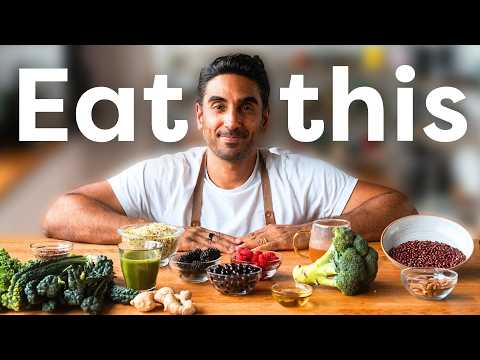
Dedicate a Sunday afternoon to smart batch cooking methods that save time all week. Start by roasting a big tray of mixed vegetables like sweet potatoes and broccoli, then cook a large pot of quinoa or brown rice. While those cool, grill several chicken breasts or cook a batch of lentils. Portion these into containers for grab-and-go lunches or quick dinners. To assemble meals fast, follow this sequence:
- Cook your grains and proteins first, as they take longest.
- Chop sturdy veggies like bell peppers and onions for the week.
- Store pre-portioned ingredients in clear jars or containers.
Having components ready halves the effort of a nightly stir-fry or salad.
Five Essential Pantry Staples for Last-Minute Dishes
A well-stocked pantry transforms frantic evenings into quick, nutritious meals. Key staples include canned chickpeas, which mash into burgers or roast for crunch; whole-wheat pasta, pairing with olive oil and frozen vegetables; and canned diced tomatoes, forming a base for soup or sauce. Versatile pantry staples for last-minute dishes also require quick-cooking grains like couscous or quinoa, ready in minutes. Jarred pesto offers instant flavor, tossed with pasta or spread on flatbread. Canned beans double as a protein source without requiring soaking.
Q: Which pantry staple works best for a 15-minute dinner?
A: Canned chickpeas, as they can be seasoned and roasted for a salad, or mashed for quick veggie patties.
Using One-Pan and Sheet-Pan Techniques for Easy Cleanup
For quick, wholesome meals with minimal mess, one-pan and sheet-pan techniques consolidate the entire cooking process onto a single surface. A sheet pan allows you to roast seasoned protein, like chicken thighs, alongside chopped vegetables—such as broccoli and bell peppers—on one tray, ensuring even cooking without separate pots. This method relies on proper spacing to avoid steaming, using a light oil coating to promote crispness. The advantage is direct: you slide the pan out, portion your meal, and have only one pan and one spatula to wash. This approach is a core time-saving cleanup strategy for healthy cooking.
By roasting an entire balanced meal on one sheet pan or skillet, you eliminate multiple dirty dishes while retaining full, caramelized flavor from a single heat source.
Tips for Staying Satisfied While Eating Better
To stay satisfied while eating better, prioritize protein and fiber at every meal. Adding grilled chicken, beans, or tofu to your salad keeps you full, while roasted veggies or a side of quinoa provide lasting energy. Don’t shy away from healthy fats like avocado or a drizzle of olive oil, as they slow digestion and curb cravings.
A big tip is to eat your veggies first—they fill your stomach with low-calorie bulk, leaving less room for overeating the heavier stuff.
Also, chew slowly and drink water between bites; your brain takes about 20 minutes to register fullness, so savoring each forkful prevents that unsatisfied, still-hungry feeling.
Flavor Boosters That Add Taste Without Unhealthy Additives
Simple flavor boosters without unhealthy additives transform healthy meals by relying on natural intensity. Fresh citrus juice or zest brightens vegetables and proteins. Toasted spices like cumin or smoked paprika add depth without sodium. A splash of vinegar—balsamic, apple cider, or rice—cuts richness while enhancing savory notes. Miso paste or nutritional yeast provides umami without artificial chemicals. For a quick sequence:
- Start with a base of sautéed garlic and onion.
- Add a pinch of chili flakes or cracked pepper for heat.
- Finish with fresh herbs and a squeeze of lemon.
These ingredients deliver taste without relying on processed additives.
How to Handle Cravings Without Derailing Your Progress
Cravings don’t mean you’ve failed—they’re a normal signal, not a command. To handle them without derailing your progress, first pause and drink a full glass of water; thirst often mimics hunger. Then, ask if you’re truly hungry or just bored or stressed. If the craving persists, swap the trigger food for a better option that still hits the spot—like dark chocolate for candy or salted nuts for chips. Mindful indulgence is key: eat one serving slowly, without guilt, and move on.
- Distract yourself for 10 minutes with a walk or a quick chore.
- Pair your craving with a protein or fiber source to feel fuller.
- Portion out a single serving instead of eating from the bag.
Mindful Eating Habits That Prevent Overeating
Slowing down is the secret weapon. To prevent overeating, try putting your fork down between bites and chewing each mouthful until it’s liquid. This pause gives your brain time to register fullness from your healthy meals. Focus on the taste and texture of each bite instead of multitasking. You’ll naturally eat less because you feel satisfied sooner. When you rush, you miss the body’s «I’m full» signal. Enjoying smaller portions without distraction turns eating into a conscious, fulfilling ritual that stops overeating before it starts.
Common Pitfalls When Switching to Nourishing Food
One major pitfall when switching to nourishing food is drastically cutting calories or entire food groups, often leading to intense cravings and bingeing on less healthy meals later. Another common error is ignoring proper protein and healthy fat intake, leaving meals unbalanced and failing to provide lasting satiety. Many also overcomplicate nutrition, adopting complex meal plans that are unsustainable. Relying solely on «healthy» packaged versions of traditional foods can still be problematic due to high sodium or sugar. Success comes from gradual, satisfying substitutions rather than rigid perfection. Focus first on simply adding a serving of vegetables or a quality protein to your existing meals.
Mistaking “Diet” Foods for Nutritious Choices
One common pitfall is mistaking «diet» foods for genuinely nutritious choices. Just because a package screams «low-fat» or «sugar-free» doesn’t mean it’s good for you. These products often swap real ingredients for artificial sweeteners, fillers, or extra sodium to preserve flavor, turning what seems like a healthy meal into a chemical-laden option. Your body can even react by craving more real sugar later. Instead, focus on whole foods—veggies, lean proteins, and healthy fats—which provide actual nourishment. Don’t let a misleading «diet» label trick you into skipping the truly satisfying, wholesome stuff your meals need.
Overcomplicating Recipes and Burning Out

Many people derail their healthy eating journey by treating every meal like a gourmet production. This habit of **overcomplicating recipes** leads directly to burnout, making you dread the kitchen. Chasing obscure ingredients and multi-step techniques for a simple dinner creates exhaustion, not nourishment. You end up ordering takeout because the healthy option feels like a second job. The fix is ruthless minimalism: three-ingredient stir-fries or sheet-pan proteins will keep you consistent without the emotional drain. Perfectionism is the enemy of sustainability, so cut the steps and preserve your energy.
Ignoring Hydration as Part of a Healthy Routine
When switching to nourishing food, overlooking proper hydration can derail progress. High-fiber meals from whole grains, legumes, and vegetables require adequate water to aid digestion and prevent constipation. Without sufficient fluid, nutrient absorption from these healthy meals becomes less efficient, and you may mistake thirst for hunger, leading to unnecessary snacking. Additionally, dehydration slows metabolism and energy levels, undermining the benefits of improved eating. Aim to drink water consistently throughout the day, pairing each nourishing meal with a full glass to maintain digestive comfort and support your body’s new nutritional demands.