Over the past year, downloads of multiplayer titles on iOS and Android have surged 38 % in the United Kingdom, according to App Annie. This isn’t a one‑off spike; it mirrors a real change in how people fill their commutes, lunch breaks and weekend downtime. Today the average UK gamer spends 2 hours 15 minutes a day in a multiplayer session, up from 1 hour 40 minutes just two years ago. The data speak plainly: smartphones have become the main social hub for gamers.
How have network upgrades changed the playing experience?
When 5G rolled out across major UK cities, latency fell from an average of 80 ms to under 30 ms for most users. In fast‑paced shooters like Call of Duty: Mobile or battle‑royale titles such as Fortnite, that shift feels like night and day. Lower ping means fewer “lag spikes,” which directly boosts win rates for competitive players. In areas still waiting for 5G, carriers have introduced carrier‑grade Wi‑Fi calling that routes game traffic through dedicated servers, shaving another 10–15 ms off round‑trip time.
What role do in‑app purchases play in the growth?
UK App Store data show that revenue from in‑app purchases in multiplayer games hit £212 million last quarter, a 22 % jump from the previous quarter. Players are spending on cosmetic skins, season passes and small “boost” packs that speed up character unlocks. The average spend per paying user is now £9.70, up from £7.30 in 2021. This rise is driven by “battle pass” models that deliver a steady stream of content over a 10‑week cycle, encouraging regular, bite‑size spending rather than one‑off purchases.
Which genres are leading the charge?
Three categories dominate the UK mobile multiplayer scene:
- Battle‑royale shooters – titles like Apex Legends Mobile and Call of Duty: Mobile make up roughly 45 % of active multiplayer sessions.
- Co‑op puzzle and strategy games – Among Us still captures 12 % of the market, while newer entries such as Clash Quest have carved out a growing 5 % niche.
- Sports simulators – mobile FIFA and NBA Live adaptations together account for 18 % of downloads, buoyed by real‑time match updates and live‑event tournaments.
All three share a common thread: they’re easy to pick up, feature short matches, and thrive on social interaction.
How does the social aspect influence retention?
Friends‑list integration with Discord, Facebook Messenger and similar platforms is now standard. A recent survey of 2,000 UK gamers found that 67 % stay with a game mainly because they can play with existing friends, not because of the core mechanics. Clan systems and weekly leaderboards add a competitive layer that keeps players logging in at least three times a week. The “social glue” is strong enough that developers now time updates around UK holidays, letting families and friend groups gather virtually during Christmas or the summer bank holiday.
What does this mean for the broader entertainment landscape?
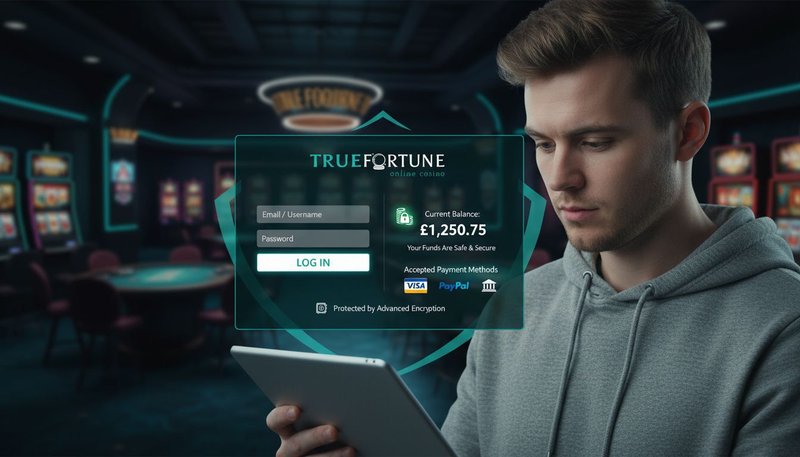
Mobile multiplayer is part of a larger shift toward on‑demand, socially connected entertainment. As more households adopt smart‑TV streaming and cloud gaming, the borders between console, PC and phone continue to blur. For a glimpse of how this trend intersects with online casino experiences, check out Truefortune, which blends fast‑paced multiplayer action with chance‑based games in a single app.
Where is the market headed in the next two years?
Analysts forecast that by 2028 mobile multiplayer will represent 60 % of all gaming revenue in the UK. Expect three key developments:
- Cross‑play expansion – more titles will let players switch seamlessly between phone, tablet and console without losing progress.
- AR integration – games like Pokemon Go have proven the appetite for location‑based play; upcoming releases will layer AR battles onto everyday streets.
- Regulated esports leagues – the UK Esports Association plans to certify mobile tournaments, offering prize pools that can rival traditional PC events.
All signs point to a future where your pocket device is not just a pastime but a competitive arena that can stand toe‑to‑toe with any living‑room console.
What should new players keep in mind?
First, check your data plan: a 30‑minute match on a 5G network can gobble up to 150 MB. If you’re on a limited plan, look for games that offer an “offline mode” for practice. Next, set a weekly budget for in‑app purchases; season‑pass models can add up quickly if you’re not careful. Finally, explore community groups on Reddit or Discord to find teammates in your time zone – a solid squad can turn a casual game into a lasting hobby.